How Cobots are Streamlining Efficiency in Metal Fabrication and Construction Industries
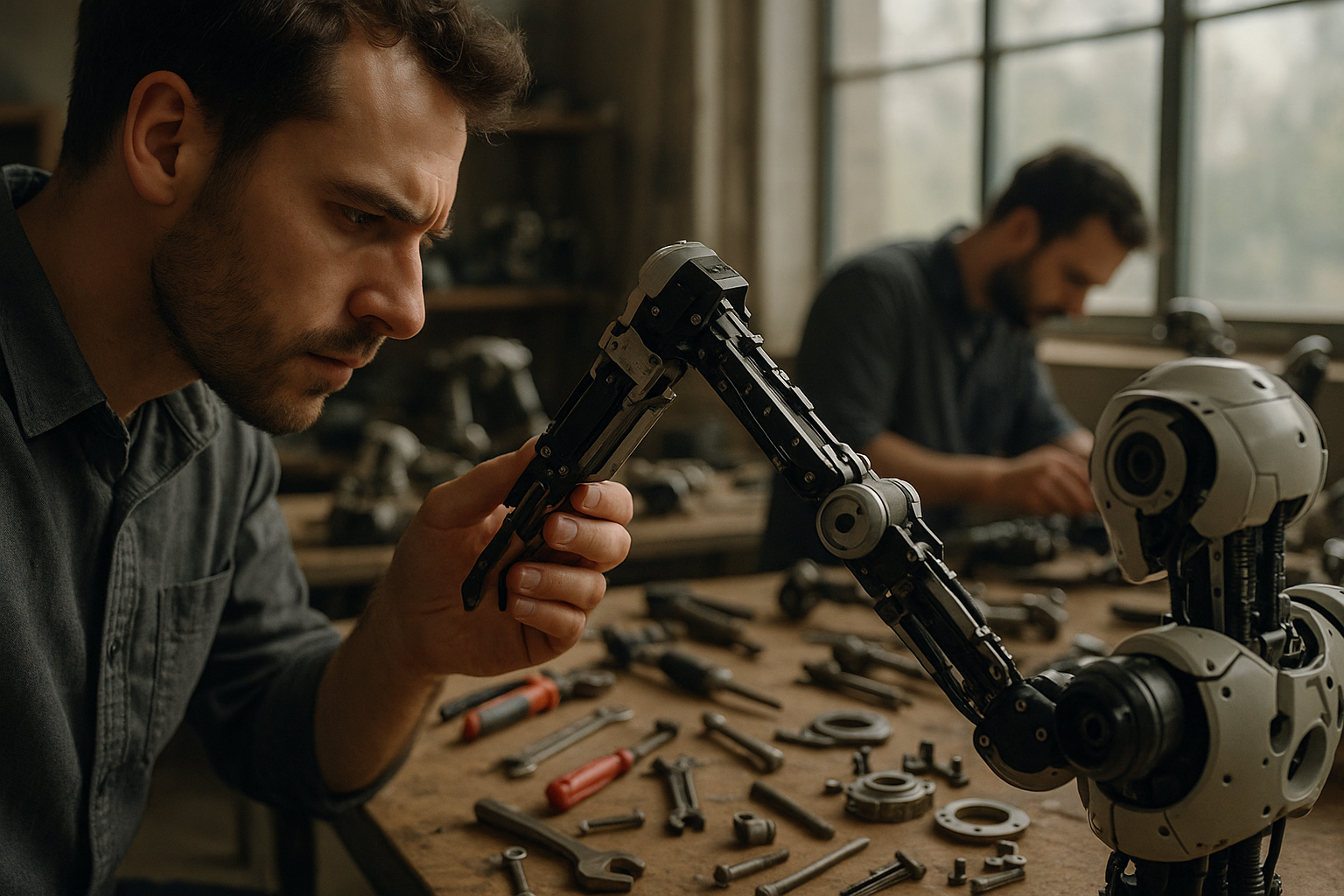
Collaborative robots are moving from “nice-to-have” to must-have as shops and job sites face chronic labor gaps, tighter delivery windows, and rising quality expectations. In metal fabrication, cobots in metalwork are increasingly deployed for repetitive welds, grinding, and material handling—tasks that benefit from consistent pathing and reduced rework. The result is streamlining efficiency without the footprint or programming burden often associated with traditional industrial robots.
In construction industries, cobots in construction and broader construction automation are emerging as practical tools for robot-assisted fabrication, on-site kitting, and prefabrication workflows. These smart machines can operate alongside crews, improving efficiency in construction while supporting safer, more predictable output. Business impacts include faster quoting-to-delivery cycles, better utilization of skilled welders, and the ability to take on smaller-batch jobs profitably.
What’s changing now is the software layer: artificial intelligence and AI in manufacturing are enabling intelligent machines that adapt to part variation, guide torch angles, and simplify setup. AI-powered robots, next-gen robotics, and advanced robotics are pushing smart manufacturing toward “deploy-and-scale” industrial automation—where service robots and collaborative robots become flexible robot technology for both robotic fabrication and shop-floor expansion.